
JFS food pantries: The face of hunger
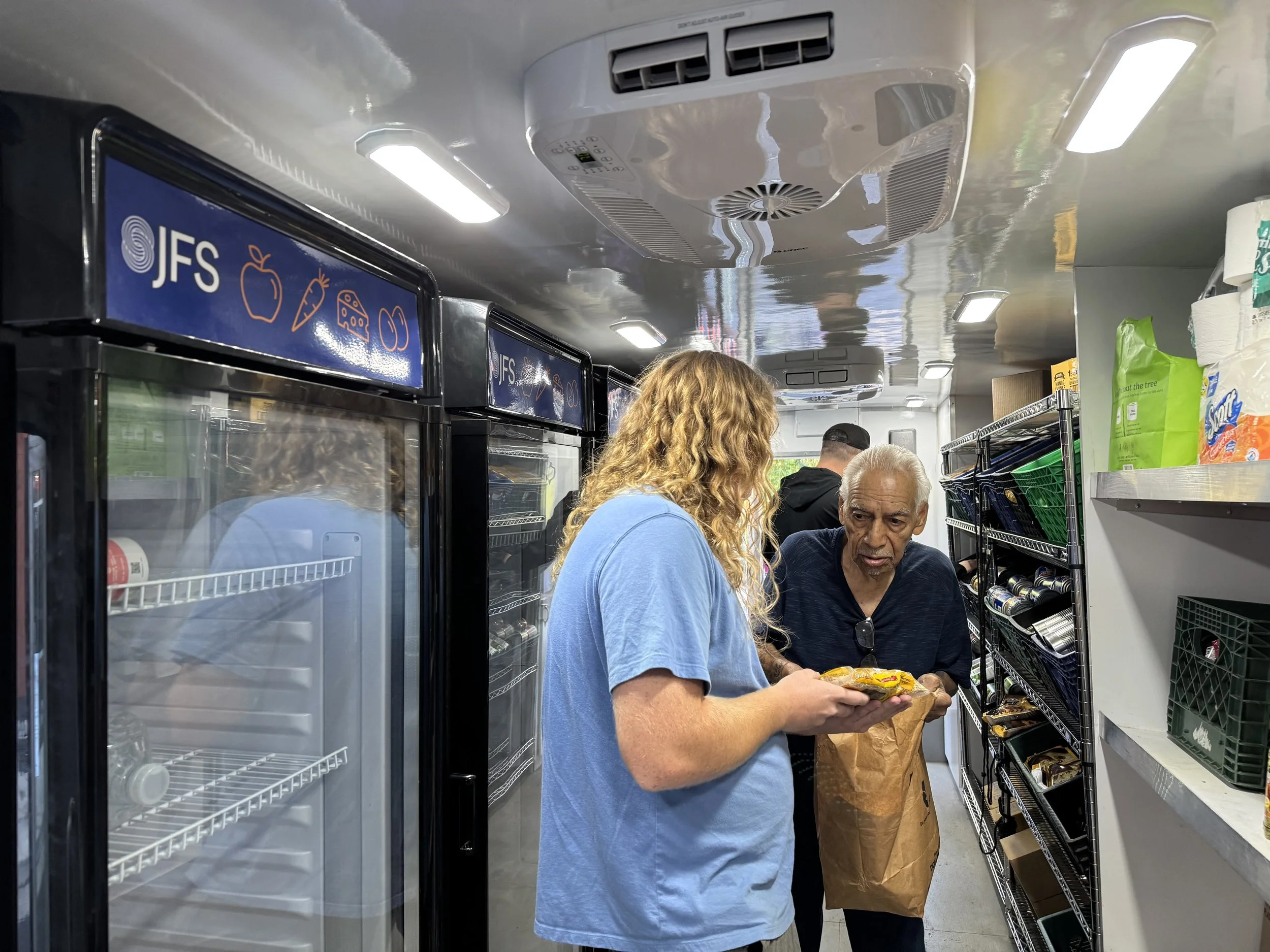
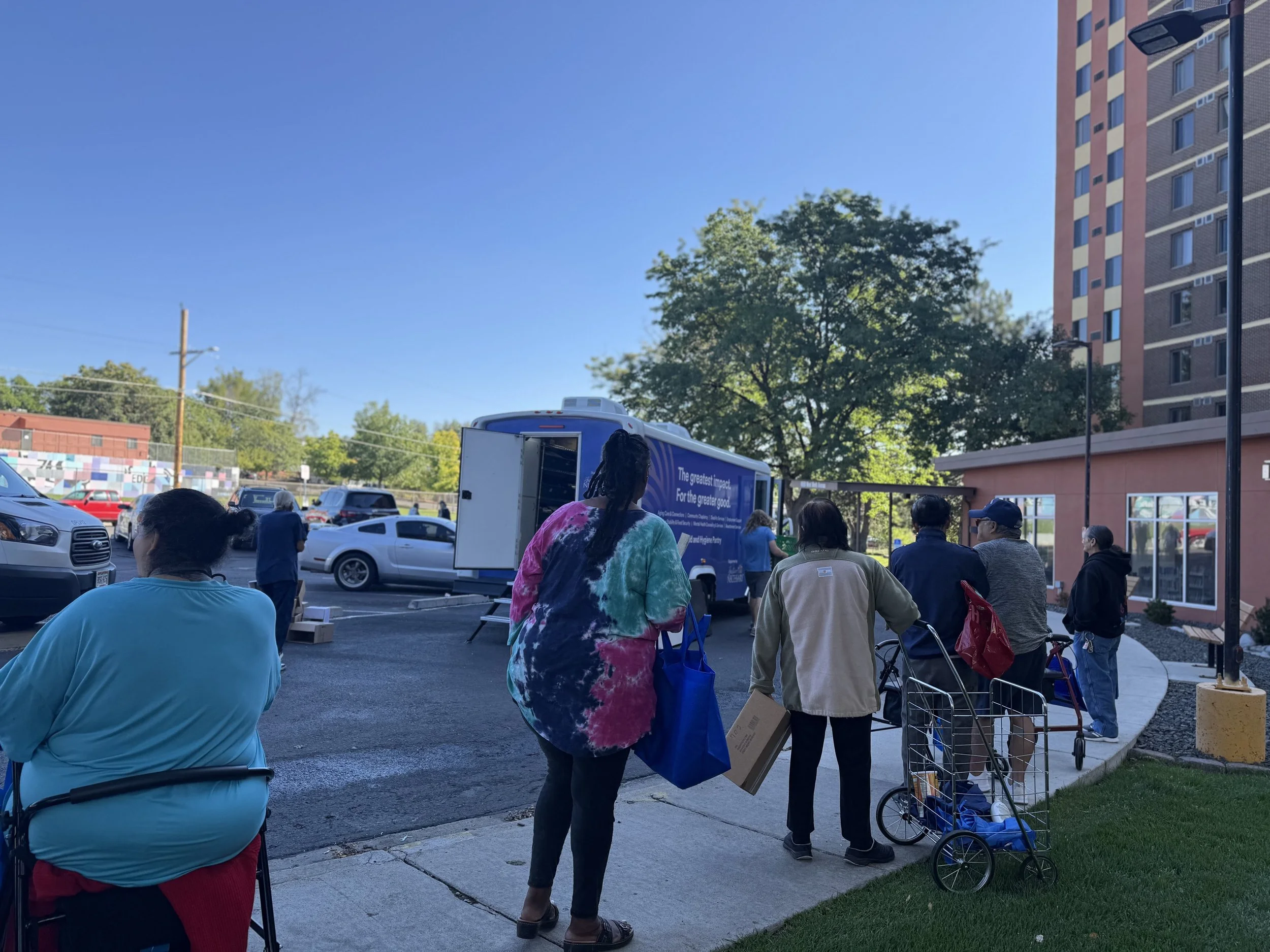
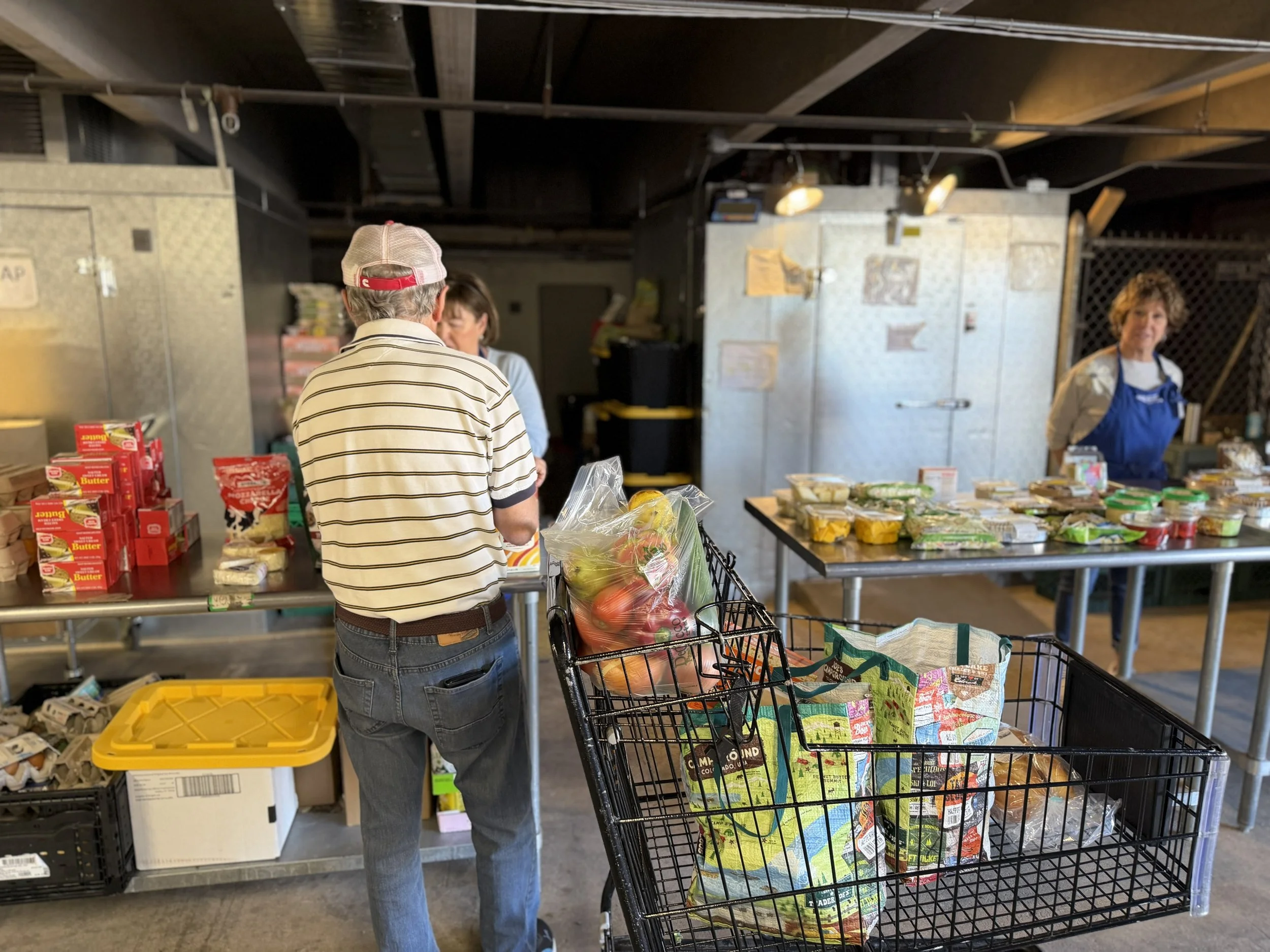
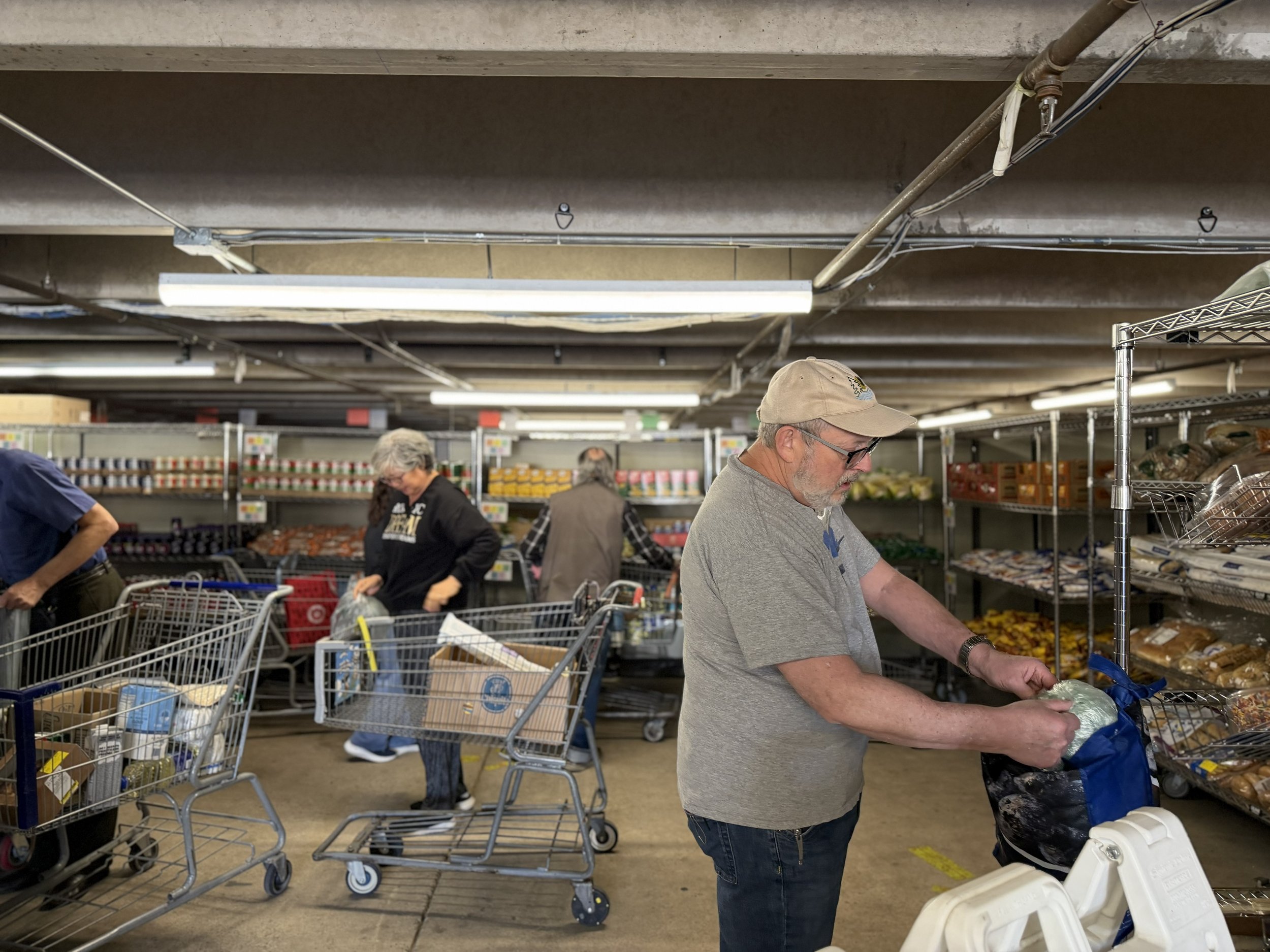
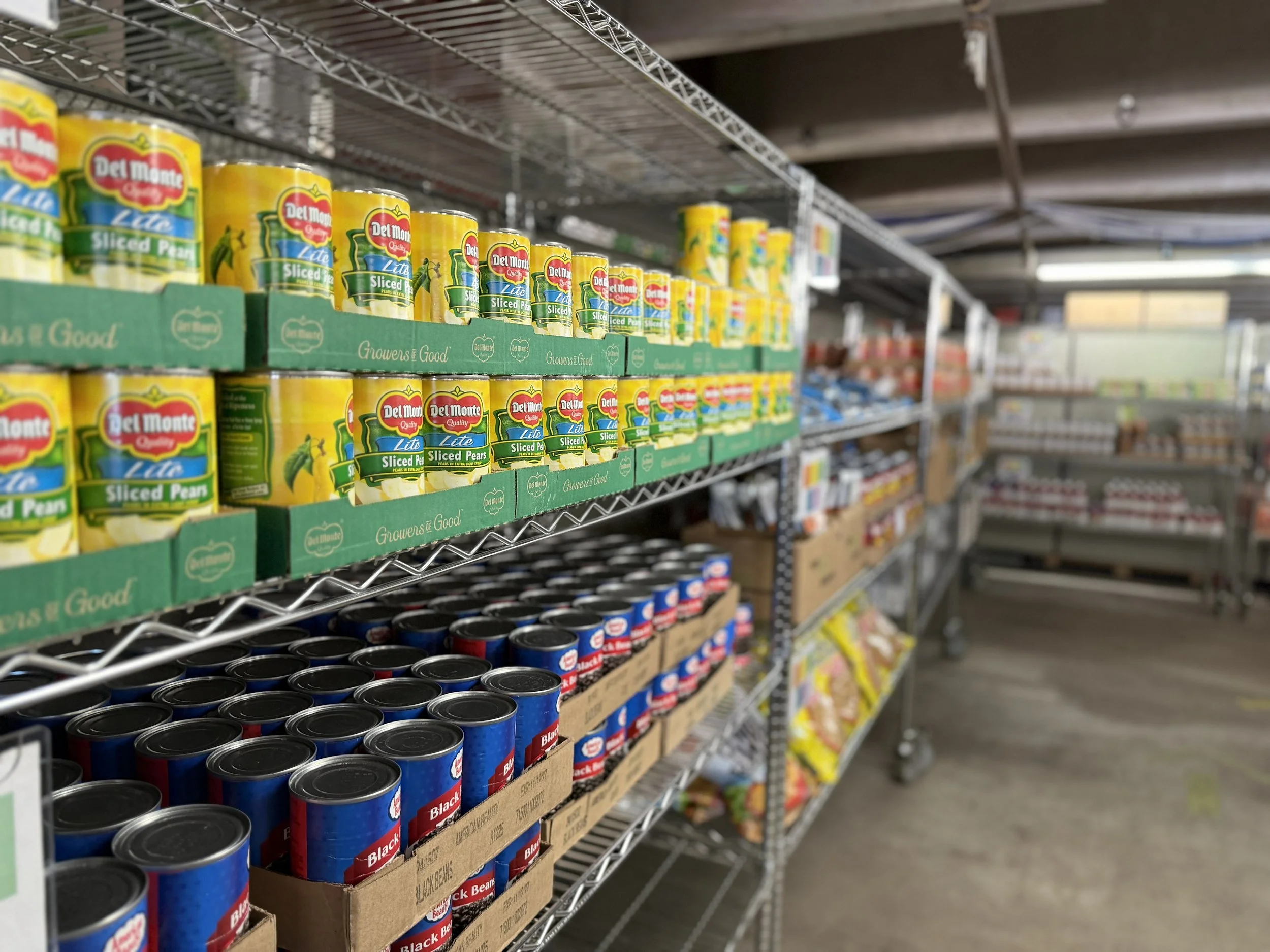
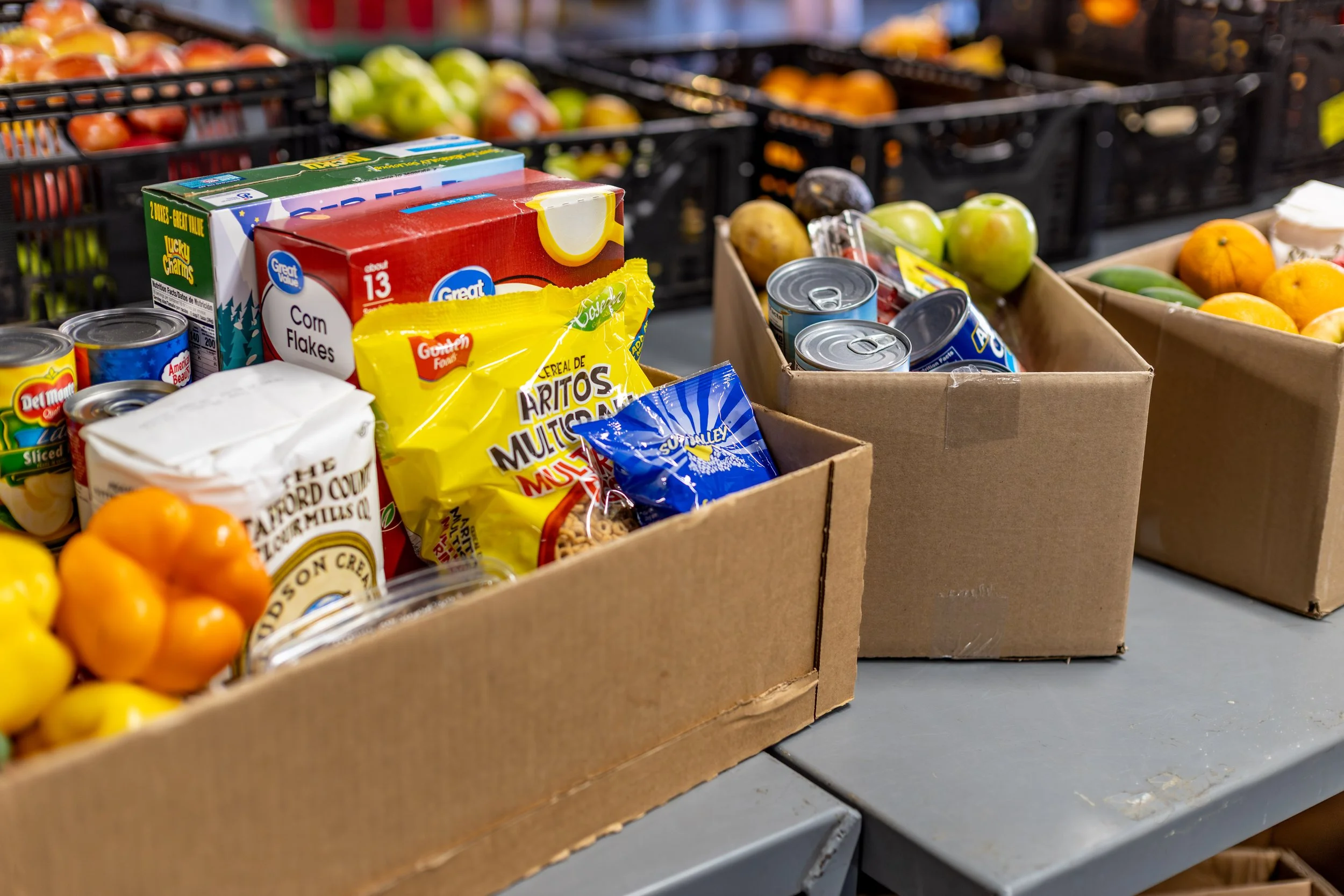
Another food pantry day has come and gone. Selections were made, bags were filled, and individuals and families will have food on their tables. But once our doors close, a harder question remains: What does the face of hunger look like in our communities? The uncomfortable answer is that it’s probably not who you initially think about.
The truth is, we’re seeing an average of 4,100 individuals and 1,525 households each month at our Weinberg Food Pantry and Mobile Food & Hygiene Pantry. And the lie is that food insecurity only affects those who are economically disadvantaged.
The cost of living in Colorado continues to increase, and according to the Colorado Chamber of Commerce, the state recently ranked as the third most expensive place to live in the country. With the Consumer Price Index at its highest level ever, rising costs for housing, childcare, health care, and food, combined with job losses or stagnant wages, are leading people to turn to food pantries. They’re not alone. But who are these people?
“There are misconceptions about who comes to a food pantry,” shared JFS Food Security Programs Manager Doug Vega. “We’re seeing more young families who are new to the pantry because of the spiraling cost of living, refugees (although some are afraid to come because of the political climate), older adults who are losing their benefits or having their Social Security cut, and individuals who are either in between jobs or can’t live on minimum wage despite having multiple jobs. The people we see could be your neighbors, kids in your children's classes, or your co-workers. You just don’t know.”
The one constant about our food pantry clients is that, while their stories are unique, they face very real problems. For example,
Every week, a shuttle bus filled with older adults from one of our community partners that provides housing and support services visits our pantry. The residents receive Social Security, rental assistance, Medicare, and SNAP benefits, yet still find it hard to afford food and other essentials. Some of our clients have shared that they even supplement their income by working part-time jobs just to get by. And during these visits, there is never a shortage of heartfelt, genuine appreciation. “There was nothing to eat in my house, so thank you,” shared one client.
One client needs our pantry because she’s going through a messy divorce, and while she has a place to live, she has very little income. She shared that while married, her husband made a good income, and she worked raising their children, but now, faced with life on her own, she needs help getting food and is embarrassed to be seen parking her nice car at the pantry, which is a holdover from her previous life, and wonders what people must think.
Recently, a pantry client shared that she and her husband live in an RV, and their daughter’s family of five moved in with them because they could no longer afford their rent. Now, the extended family of seven needs help putting meals on the table.
These stories highlight a reality that continues to affect 1 in 8 Coloradans. Our clients are looking for resources to help offset their bills and fill gaps, and the pantry, which distributes food and other essentials based on household size, meets this need. “We have more requests for toiletries because the cost of toilet paper, soap, and deodorant has increased so much,” said Vega. “By getting items at the food pantry, clients have the freedom to spend money on something else like rent, bills, or even put money aside for emergency expenses. People are getting creative in finding solutions to the struggles they’re facing.”
Our food pantries have become a community for our clients who get to know our staff, volunteers, and other patrons. “We treat everyone with dignity and make the experience as pleasant as possible, but it’s still difficult for someone to come to a food pantry,” shared Vega. “We take the time to meet our clients, and they share their lives with us. It’s not unusual for some to bring baked goods as a thank you because it means so much to them to have a resource like JFS they can trust. Most people are a paycheck, a health scare, or a financial burden away from facing food insecurity and needing assistance. Not everyone has a support system they can rely on.”
Where hunger exists, so does JFS to meet the demand. But we rely on the community to help. Thanks to our partners, JFS can purchase personal care products and food in bulk with friendly, community pricing and provide more essentials to our neighbors in need. If you’re torn between donating items or making a financial gift, we can make an even bigger impact with your financial gift.